A Guide to Dealing With Emergency Roof Leak Repair
Roof leaks can be a homeowner's worst nightmare. Not only do they cause damage to the structure of the home, but they can also lead to costly repairs and even pose a safety hazard. It's essential to know how to deal with an emergency roof leak repair to ensure the safety and stability of your home. This guide will provide a step-by-step approach to dealing with emergency roof leaks. We'll discuss how to identify the source of the leak, assess the damage, implement temporary solutions, and when call in professional help. Additionally, we'll provide tips on preventing future roof leaks, so you can avoid dealing with the same problem.
Identifying the source of the leak
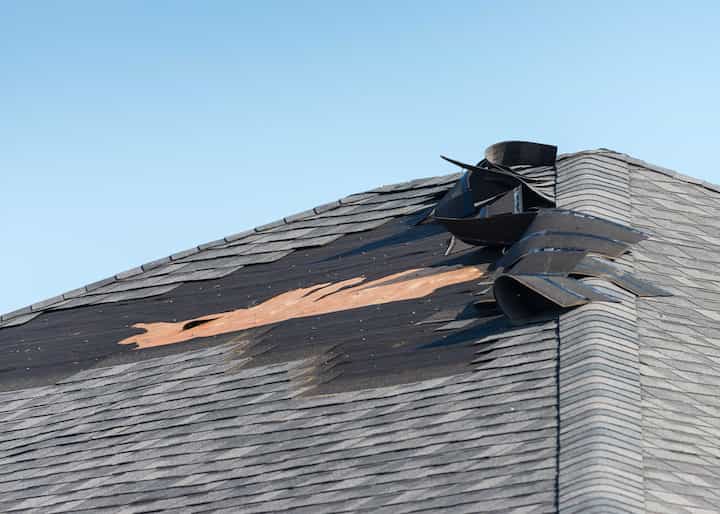
Identifying the source of a roof leak involves a systematic approach to examining the roof's structure and potential areas of weakness. To begin, inspecting the roof for any visible signs of damage, such as missing or damaged shingles, cracked seams, or gaps around vents or chimneys is essential. In addition, it is vital to check the attic or crawl space for any signs of water damage, such as water stains or mold growth, which could indicate the general location of the leak.
Once the general location of the leak has been identified, it is essential to narrow down the exact source of the problem. This can be done by tracing the water path from the visible damage to the entry point. For example, if there is a missing shingle, water may be entering through the exposed area and run down the roof until it reaches a weak spot, such as a damaged seam or flashing.
By identifying the exact source of the leak, it is possible to make the necessary repairs and prevent further damage to the roof and interior of the home. Assessing the damage caused by the leak is the next critical step in the emergency roof leak repair process.
Assessing the damage to your roof
Assessing the extent of damage caused by water infiltration in your building's roofing system is critical in identifying the root cause of the problem. It is essential to understand that water can seep into your roof from various sources, which can cause different types of damage. For instance, water that enters through a small hole or cracks in the roof can cause damage to the surrounding areas, while water that enters through a large hole or crack can cause severe structural damage.
To assess the damage, you need to inspect the roof thoroughly, both from the inside and outside. Look for signs of water damage such as discoloration, mold growth, and soft spots on the roof. Also, check the attic or crawl space for signs of water infiltration such as damp insulation or water stains on the walls or ceiling.
Once you have identified the extent of the damage, you can determine the best course of action to address the problem. With the extent of the damage assessed, it is time to consider temporary solutions for emergency roof leak repairs. These solutions will help to prevent further damage to your property while you await the arrival of a professional roofing contractor.
Temporary solutions for emergency repairs
Identifying temporary solutions for addressing roof damage can help prevent further harm to your building while awaiting professional assistance. One such solution is using a tarp or plastic sheeting to cover the damaged area. This can help prevent rainwater from entering your home or building and causing further damage. Secure the covering tightly to prevent it from blowing away in high winds. Additionally, you can use roofing cement or tape to temporarily seal any cracks or holes in the roof. However, keep in mind that these solutions are only temporary and are not meant to fix the problem permanently.
It is important to remember that even if you are able to temporarily fix the issue, calling in professional help is crucial for a permanent solution. A professional roofing contractor will be able to assess the damage and provide a long-term repair plan. Attempting to make permanent repairs without professional assistance may lead to further damage or safety hazards. In the meantime, follow the temporary solutions to prevent further harm to your building until a professional can arrive.
When to call in professional help
Hiring a professional roofing contractor is essential to ensure a long-term and safe repair solution for your damaged roof. Professional contractors have the necessary expertise, tools, and equipment to diagnose the root cause of the leak and provide a permanent solution to restore the integrity of your roof. They also have the necessary safety measures in place to prevent accidents and injuries during the repair process.
Moreover, hiring a professional contractor saves you time and money in the long run, as they can identify any underlying issues that could cause future leaks and address them before they escalate. It is important to note that not all roofing contractors are created equal. Before hiring a contractor, do your due diligence by researching their qualifications, experience, and reputation. Look for contractors who are licensed, insured, and certified by reputable industry bodies. You can also ask for referrals from friends, family, or neighbors who have had similar roofing issues.
By hiring a professional contractor, you can be confident that your roof will be repaired to the highest standards and that you are taking a proactive step to protect your home and family from future leaks. To prevent future roof leaks, it is important to take proactive measures such as regular maintenance, inspection, and repair of your roof. These measures can help identify and address any potential issues before they escalate and cause major damage. Additionally, it is important to ensure that your roof is properly ventilated, as poor ventilation can cause moisture buildup and lead to leaks. By taking these preventative steps, you can ensure that your roof remains in top condition, protecting your home and family from the elements.
Preventing future roof leaks
Implementing preventive measures such as regular maintenance, inspection, and proper ventilation can significantly reduce the likelihood of future roof leaks. Regular maintenance and inspection can help identify and address minor issues before they escalate into major problems. It is advisable to have a professional inspect your roof at least once a year, especially after a severe weather event. During the inspection, the professional can identify any damage or wear and tear that needs immediate attention.
Additionally, cleaning the gutters and removing debris from the roof can prevent water from accumulating and causing leaks. Proper ventilation is also crucial in preventing future roof leaks. When the attic lacks proper ventilation, it can lead to moisture buildup, which can cause damage to the roof structure and shingles. Installing vents and fans can help regulate the temperature and humidity in the attic, improving air circulation and reducing moisture buildup. With proper ventilation, the roof can last longer and withstand harsh weather conditions. By investing in preventive measures, homeowners can save money on expensive repairs and replacements while ensuring their homes remain safe and comfortable.
Don't wait until it's too late! Contact our local network of
emergency roof repair technicians now and ensure the safety of your home or business.